Nvidia и развитие орбитальных дата-центров
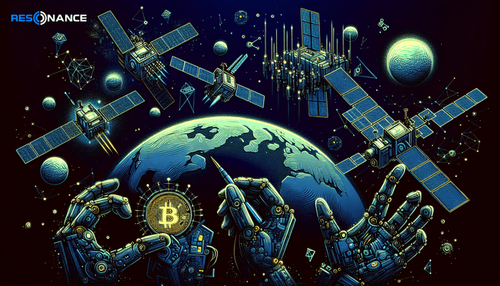
Nvidia анонсировала новые орбитальные ИИ-центры. Обзор влияния и перспектив.
Содержание

Nvidia анонсировала создание орбитальных дата-центров
Nvidia, один из лидеров в мире вычислительных технологий, вышла на новый уровень, представив планы по созданию вычислительных платформ для орбитальных дата-центров. Об этом заявил генеральный директор компании, Дженсен Хуанг, на конференции GTC 2026.
Технологическая инициатива
Компания планирует использовать модуль Vera Rubin Space-1, включающий чипы IGX Thor и Jetson Orin. Эти чипы были специально разработаны для условий, где важны размер, вес и энергопотребление, что делает их идеально подходящими для использования в космосе. Хуанг заметил, что их реализация требует преодоления значительных технических сложностей.
Проблемы и перспективы охлаждения в космосе
Одна из основных задач, стоящих перед Nvidia и ее партнерами, — это эффективное охлаждение таких систем в условиях космоса, где отсутствует конвекция и преобладает излучение. Для решения этой проблемы привлекается большое количество инженеров.
Растущий спрос на ИИ и энергопотребление
Создание дата-центров на орбите связано с увеличением потребности в вычислительных мощностях для искусственного интеллекта (ИИ). Одной из причин является повышение цен на электроэнергию на Земле, тогда как в космосе можно использовать постоянную солнечную энергию. Однако, несмотря на перспективы, высокая стоимость запусков остается серьезным барьером.
Конкуренция и партнерства
Одновременно с Nvidia, такие гиганты, как SpaceX и Google, активно исследуют возможности связи спутников и распределения энергии из космоса. SpaceX уже запросила разрешение на запуск миллиона спутников для орбитальных ЦОД, а Google анонсировала аналогичные проекты на околоземной орбите.
Финансовые ожидания
По словам Хуанга, спрос на полупроводниковые решения Nvidia растет, при этом ожидаемый объем заказов на чипы Blackwell и Vera Rubin к 2027 году может достигнуть $1 трлн. Это более чем двойное увеличение по сравнению с предыдущими оценками в $500 млрд.
Заключение
Nvidia делает значительные шаги в направлении космических технологий, что открывает новые горизонты для индустрии:
- Сильные стороны: Инновационность, поддержка крупных партнёров.
- Риски: Высокая стоимость, технические сложности.
- Возможности: Неограниченные ресурсы солнечной энергии, рост рынка ИИ.
- Угрозы: Конкуренция, нормативные барьеры.
Следи за новыми статьями в нашем телеграм канале.
Не нужно выдумывать сложных схем и искать “грааль”. Используй инструменты платформы Resonance.
Регистрируйся по ссылке — получай бонус и начинай зарабатывать:
OKX | BingX | KuCoin.
Промокод TOPBLOG дает тебе 10% скидки на любой тарифный план Resonance.
Рекомендуемые статьи