Минфин США и будущее криптоприватности
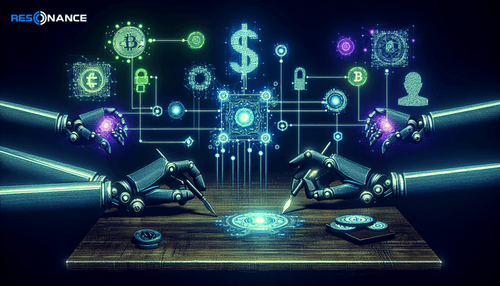
Минфин США предлагает новые подходы к приватности в криптовалютах, открывая возможности для работы в регулируемой среде.
Содержание

Минфин США предлагает новые подходы к криптоприватности
В отчете для Конгресса Министерство финансов США рассматривает возможность использования смесителей, обеспечивающих финансовую анонимность на публичных блокчейнах, при выполнении законных операций. Это заявление оставляет в силе обвинения в отмывании денег, но ставит перед криптоиндустрией новую задачу — внедрение инструментов, совместимых с регулируемыми рынками США.
История вопроса: смесители и их роль
Смесители (Mixers) являются инструментами, которые позволяют пользователям скрывать источник и получателя транзакций на блокчейне. Традиционно они ассоциировались с использованием в преступной деятельности, например, для отмывания денег. Однако многие законопослушные пользователи также обращаются к смесителям для защиты своей финансовой приватности.
Новая позиция Минфина
В новом отчетном документе Минфин США подчеркивает, что смесители могут использоваться в качестве легитимного средства сохранения приватности в финансовых операциях. Это изменение в тоне ведомства может сигнализировать о необходимости более гибкого законодательства, чтобы защитить права законопослушных граждан в цифровую эпоху.
Сравнение с другими странами
Некоторые страны уже продвинулись в направлении регуляции приватности в крипто: например, Швейцария и Япония разработали четкие рамки для использования подобных инструментов. Эти примеры показывают усилия по балансировке между приватностью пользователей и необходимостью контроля со стороны государства.
Последствия для рынка
Ожидания от возможного изменения политики Минфина могут оказать значительное влияние на крипторынок. Законопослушные пользователи получат больше возможностей для анонимных транзакций, что может повысить доверие к цифровым активам. В то же время, регулирующие органам придется тщательно следить за потенциальными угрозами злоупотребления.
Заключение
Шаги Минфина США могут стать важным сигналом для индустрии криптовалют о долгожданных изменениях в регуляторной политике.
- Сильные стороны: Возможности для законопослушных пользователей.
- Риски: Потенциальное использование смесителей в незаконных операциях.
- Возможности: Разработка новых инструментов для рынка.
- Угрозы: Необходимость контроля со стороны регуляторов.
Следи за новыми статьями в нашем телеграм канале.
Не нужно выдумывать сложных схем и искать “грааль”. Используй инструменты платформы Resonance.
Регистрируйся по ссылке — получай бонус и начинай зарабатывать:
OKX | BingX | KuCoin.
Промокод TOPBLOG дает тебе 10% скидки на любой тарифный план Resonance.
Рекомендуемые статьи