Binance's Licensing Challenges with MiCA in Greece
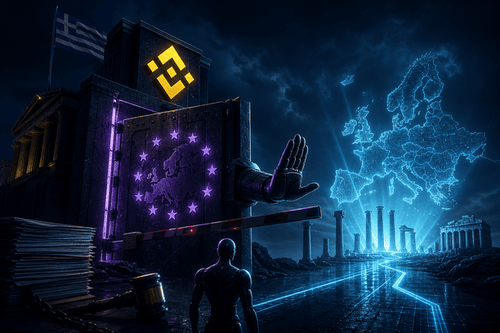
Binance faces the risk of being denied a MiCA license in Greece, threatening its client operations.
Table of contents
Binance’s Licensing Challenges with MiCA in Greece
Binance is experiencing potential challenges in Europe due to a possible denial of the Markets in Crypto-Assets (MiCA) license in Greece. This event could significantly impact its operations and relations with customers in the country.
Background of MiCA
MiCA is a legislative initiative of the European Union aimed at regulating crypto assets. Its goal is to create a single market for cryptocurrencies and implement standards to help protect investors’ rights. MiCA’s introduction is planned for 2024, but companies are already required to prepare their structures and processes for the new requirements.
Importance of the License for Binance
Acquiring a MiCA license is a necessary prerequisite for the continued operation of the cryptocurrency exchange in European countries. A denial of licensing in Greece could limit Binance’s ability to serve this key audience and expose the company to financial risks in the form of fines and restrictions.
Binance’s Approach to Regulation
Binance actively collaborates with regulators, attempting to comply with international standards. In light of this news, the company may take additional measures to strengthen its market position, including restructuring internal processes and revisiting its strategy within the EU territory.
Impact on the Cryptocurrency Market
A potential denial of the license could signal a stricter regulatory policy towards cryptocurrency exchanges not only in Greece but across Europe. This may prompt other platforms to more actively prepare for MiCA compliance.
Conclusion
The current licensing situation with Binance in Greece is an important indicator of future changes in crypto industry regulation.
- Opportunities for adaptation to MiCA
- Risks of increased scrutiny
Follow new insights in our telegram channel.
No need to invent complex schemes and look for the “grail”. Use the Resonance platform tools.
Register via the link — get a bonus and start earning:
OKX | BingX | KuCoin.
Promo code TOPBLOG gives you a 10% discount on any Resonance tariff plan.
Recommended articles