Bitcoin Core Rebroadcasts Can Expose a Node’s IP
A Bitcoin Core developer identified the node associated with a Bitcoin address in 30 local trials. The method was not tested on mainnet. A wallet setting can reduce exposure but requires users to send their own transactions manually.
Table of contents










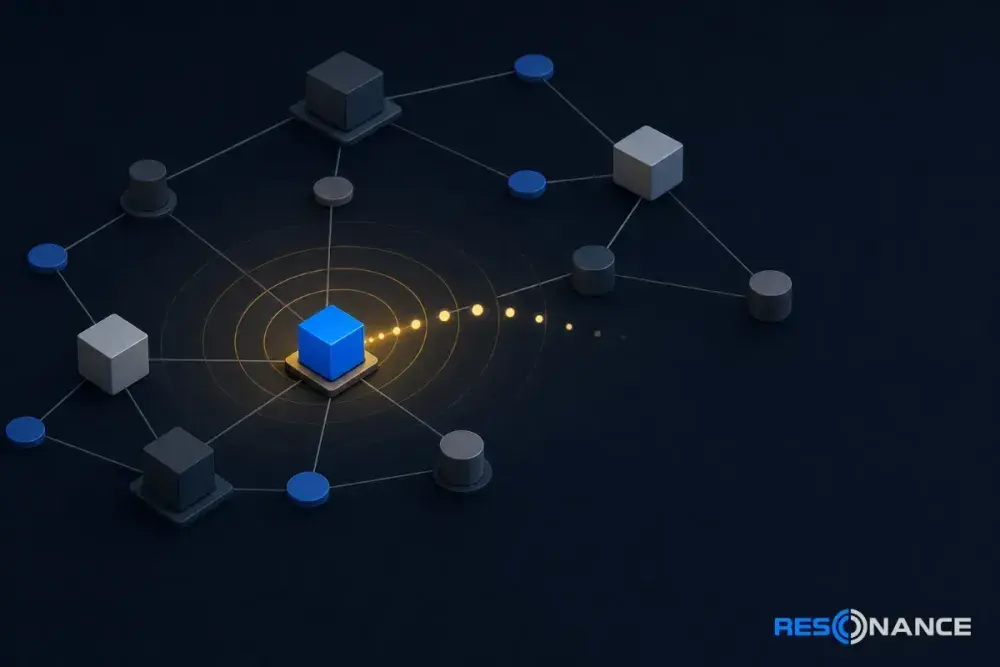
Bitcoin Core developer Abubakar Sadiq Ismail described on Delving Bitcoin how a Bitcoin address can be linked to the IP address (network address) of a node running the wallet. The method identified the correct node in 30 out of 30 local trials. Ismail did not measure its effectiveness on Bitcoin’s main network.
What the wallet can reveal
Bitcoin Core automatically rebroadcasts unconfirmed transactions, both incoming and outgoing. A rebroadcast can reveal that the wallet is tracking an address involved in the payment. Ismail estimated that a small payment worth a few dozen cents would be enough to test for that link.
The link does not establish who owns the funds. A watch-only wallet can reveal an association with an address even though it holds no private keys. The findings apply to Bitcoin Core and Bitcoin Knots under default settings, as well as some applications that use Bitcoin Core as a backend, including Sparrow in Cormorant mode and Specter Desktop.
How to reduce exposure and what developers propose
The -walletbroadcast=0 setting disables automatic wallet broadcasts. Users must then send their own transactions manually with sendrawtransaction. Running a node exclusively over Tor or I2P can hide its public internet IP address, but a Bitcoin address can still be linked to the node’s identity on that network. Tor alone does not prevent IP exposure if the node also connects over the public internet.
No fix was in place at the time of publication. Developers are debating whether to narrow the conditions for rebroadcasts, stop rebroadcasting incoming payments, or disable automatic rebroadcasts for all transactions by default. A separate patch proposes a command to rebroadcast a transaction manually.
Analysis for traders
- Strengths: Bitcoin Core users can disable automatic broadcasts without switching wallets. That may be useful if privacy matters more than convenience when sending BTC.
- Weaknesses: The 30 successful trials were run locally. They do not show how often the method would work for BTC transfers on mainnet.
- Opportunities: Ending automatic rebroadcasts of incoming payments could reduce exposure for BTC recipients without requiring them to move to another wallet.
- Threats: A node using both Tor and the public internet could expose a link between its IP and a BTC receiving address. That link would not prove the node controls the funds.
What to watch next
- Which changes Bitcoin Core accepts and whether they cover outgoing transactions.
- Whether any measurements establish how well the method works on Bitcoin mainnet.
Source: ForkLog
No need to invent complex schemes or hunt for the “grail”. Use the tools of the Resonance platform.
Sign up on exchanges via our links and get bonuses:
OKX | BingX | KuCoin.
Prop firm — trade with the company’s capital: Kraken.
Promo code TOPBLOG gives you 10% off any Resonance plan.


Recommended articles