Buterin's Proposal for Ethereum Update
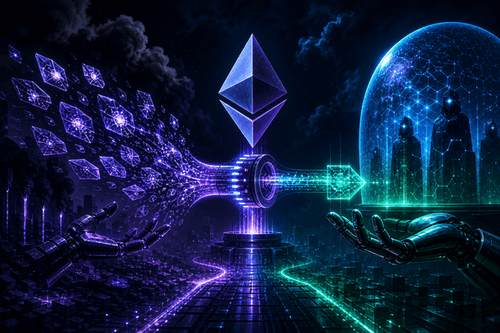
Vitalik Buterin has proposed activating EIP-8288 in the next Ethereum update to optimize gas costs and security.
Table of contents
Ethereum co-founder Vitalik Buterin has proposed the implementation of EIP-8288 in the upcoming network update following Hegota. This change is aimed at a significant optimization of gas usage and enhancing the network’s security against quantum attacks.
EIP-8288 and Lowering Gas Costs
EIP-8288 incorporates a technique that aggregates cryptographic proofs before transactions are recorded on the blockchain, which can lead to a significant reduction in gas costs. This innovation will be particularly beneficial for private transactions, where current gas consumption can reach 10 million units.
Enhanced Security and Support for Digital Signatures
Buterin also noted that this update will improve network security through resistance to quantum attacks, which is becoming increasingly relevant as quantum technologies advance. Additionally, the initiative will simplify the integration of new types of digital signatures.
Comparison with Current Market Solutions
While other blockchains also strive to lower transaction costs and enhance security, Ethereum’s approach is characterized by a strong focus on the practical implementation of theoretical innovations, demonstrating a technological leadership example in the industry.
Prospects for Implementing EIP-8288
The adoption of EIP-8288 has the potential to significantly reduce operating costs for users and increase the network’s attractiveness for developers, which may positively influence the overall level of decision-making based on Ethereum.
Conclusion
Vitalik Buterin’s initiative to activate EIP-8288 in Ethereum offers strategic opportunities to address key network issues.
- Strengths: Reducing gas costs, enhancing security.
- Risks: Need for significant infrastructure changes.
- Opportunities: Increased interest in Ethereum from developers and users.
- Threats: Potential technical challenges when integrating the update.
Follow new insights in our telegram channel.
No need to invent complex schemes and look for the “grail”. Use the Resonance platform tools.
Register via the link — get a bonus and start earning:
OKX | BingX | KuCoin.
Promo code TOPBLOG gives you a 10% discount on any Resonance tariff plan.
Recommended articles