CFTC Sues Minnesota Over Predictive Markets Ban
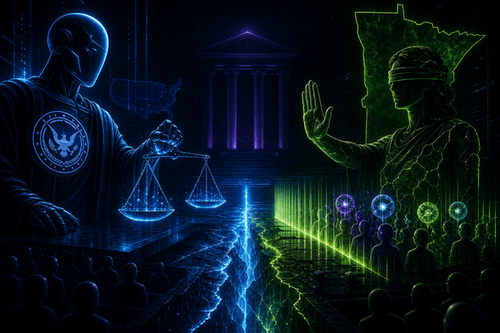
CFTC takes legal action against Minnesota following the state’s ban on predictive markets.
Table of contents

CFTC Sues Minnesota Over Predictive Markets Ban
Recently, just 24 hours after Minnesota Governor Tim Walz signed a law banning predictive markets, the U.S. Commodity Futures Trading Commission (CFTC) initiated legal proceedings. This event marks a tense standoff between state authorities and federal regulators.
Background and Role of CFTC
Predictive markets, like PredictIt, are often seen as an innovative platform allowing users to place bets on the outcomes of various events, including political ones. They function as derivatives markets where users buy and sell contracts based on event probabilities. However, Minnesota has decided to impose a ban on such markets, believing that they may potentially violate state legislation.
The CFTC is the key federal regulator responsible for overseeing derivative markets in the U.S., including predictive markets. Therefore, Minnesota’s decision conflicts with CFTC’s initiatives and raises legal controversies.
Legal Rationale and Consequences
The essence of CFTC’s lawsuit is to protect the rights to the existence and operation of licensed predictive markets. The regulator claims that the ban contradicts federal laws and undermines its control over derivative markets.
If the legal proceedings are successful, they may set a precedent affecting not only Minnesota but also other states considering similar restrictions.
Potential Impact on Predictive Markets
Predictive markets attract significant attention not only from individual users but also from institutional investors who see them as a tool for analyzing public sentiment. Banning such platforms may limit access to unique analytical data that is currently actively used in political and economic forecasting.
Risks and Opportunities for Market Participants
The ban on predictive markets may change the dynamic of attracting institutional capital in this area. Platforms like PredictIt are often seen as indicators of public opinion and can influence political and economic decisions. If the ban persists, the market may lobby for changes at the federal level.
Conclusion
Current events highlight the key challenges in balancing innovations in financial technology and the regulatory environment. The ban could significantly affect both the domestic economy and international interest in similar markets.
- Possibility of a federal precedent
- Loss of unique analytical tools
- Conflict between federal and local laws
- Impact on public opinion and political forecasting.
Follow new insights in our telegram channel.
No need to invent complex schemes and look for the "grail". Use the Resonance platform tools.
Register via the link — get a bonus and start earning:
OKX | BingX | KuCoin.
Promo code TOPBLOG gives you a 10% discount on any Resonance tariff plan.
Recommended articles