Glamsterdam audit flags 200 Ethereum compatibility issues

Glamsterdam’s proposed gas rules could disrupt older Ethereum contracts. Most findings can be addressed through configuration changes, but 24 require a contract upgrade or migration.
Table of contents
ChainSecurity completed its compatibility assessment for Ethereum’s Glamsterdam upgrade on Nov. 18. The combined review lists 200 findings across smart contracts and supporting services. At their Nov. 19 meeting, developers discussed testing on Hoodi in the week of Dec. 14 without confirming a date. The proposed gas rules are not active on Ethereum mainnet.
Why older contracts may run out of gas
Ethereum Improvement Proposals EIP-8037 and EIP-8038 change how much gas the network charges for database work. The first covers the creation of new state, while the second covers access to and updates of existing state. In one test example, writing to a previously unused storage slot would cost 110,020 gas instead of 22,100. That comparison applies to one operation, not to the fee for a whole transaction.
Fixed gas budgets appeared in 182 of the 200 findings. If a contract caps gas for an internal call, neither a higher gas price nor a higher overall transaction limit raises that cap. A transfer that works for a repeat recipient may therefore fail for a new one if it has to create a storage entry.
What needs fixing before activation
The review classified three findings as high severity, 30 as medium and 167 as low. None were critical. Most can be addressed through configuration changes, but 24 require contract upgrades or migrations. Potential consequences include interrupted operations, locked funds and reward-accounting errors. The public report does not name affected projects, so it cannot show how much money is at risk. The Ethereum Foundation contacted more than 50 affected companies.
Analysis for traders
- Strengths: Most findings can be addressed through configuration changes. That could let affected Ethereum services adapt without having to move assets to a new contract.
- Weaknesses: Configuration alone won’t resolve 24 findings. Traders who rely on withdrawals from an Ethereum application should check that service’s readiness rather than rely on the overall audit numbers.
- Opportunities: The Hoodi test could show how much gas specific Ethereum operations use before the rules go live. Gas usage and the price per unit are separate trading costs to account for; Resonance’s mini-course covers market basics.
- Threats: Late changes to Glamsterdam could push the upgrade back by months. If the specifications stay as proposed, services that haven’t adapted could face disruptions after activation.
What to watch next
- Whether developers confirm Hoodi testing for the week of Dec. 14 and retain the proposed gas parameters.
- How operations that create new state perform in testing, and what timelines affected teams give for upgrades or migrations.
Source: crypto.news
No need to invent complex schemes or hunt for the “grail”. Use the tools of the Resonance platform.
Sign up on exchanges via our links and get bonuses:
OKX | BingX | KuCoin.
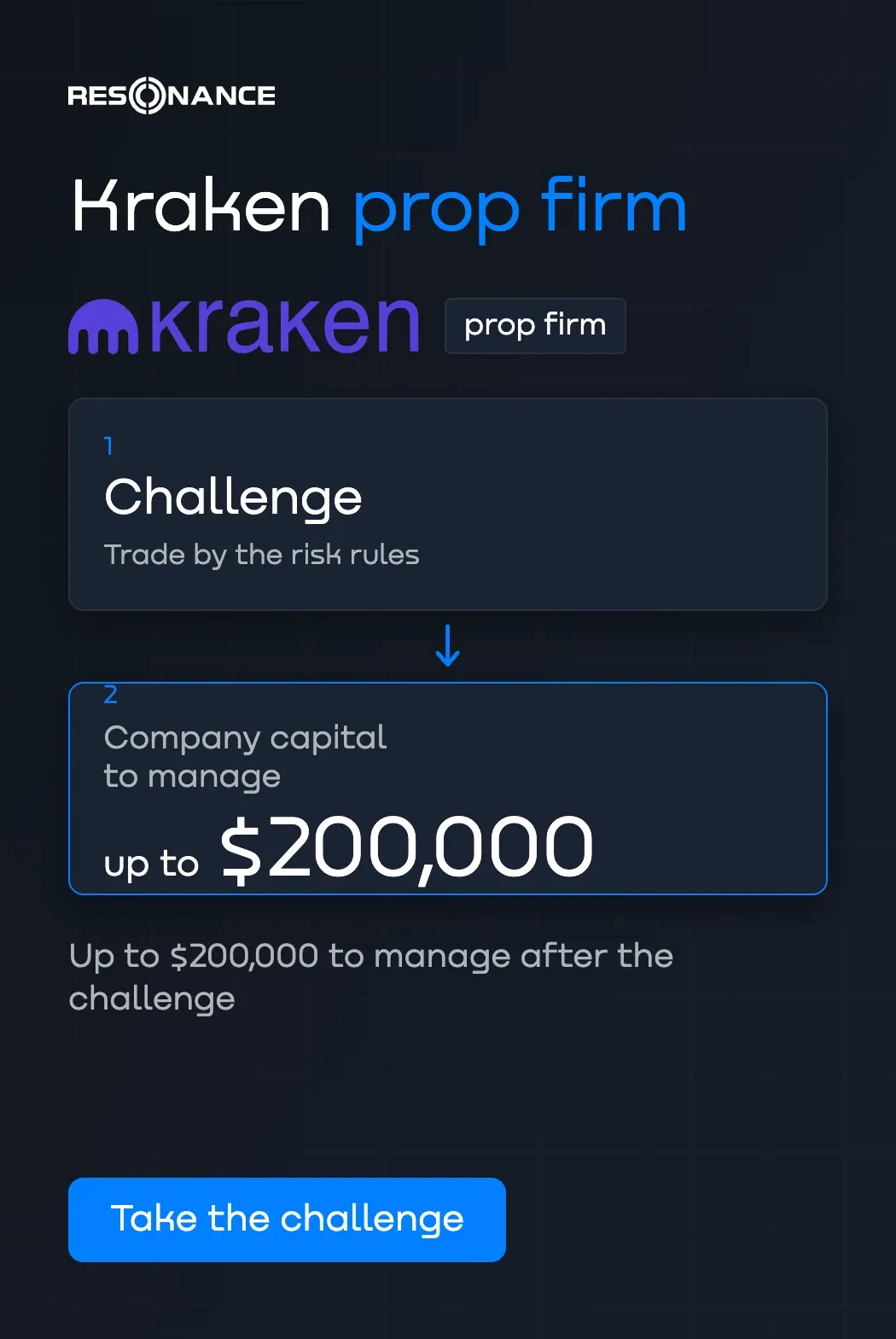
Prop firm — trade with the company’s capital: Kraken.
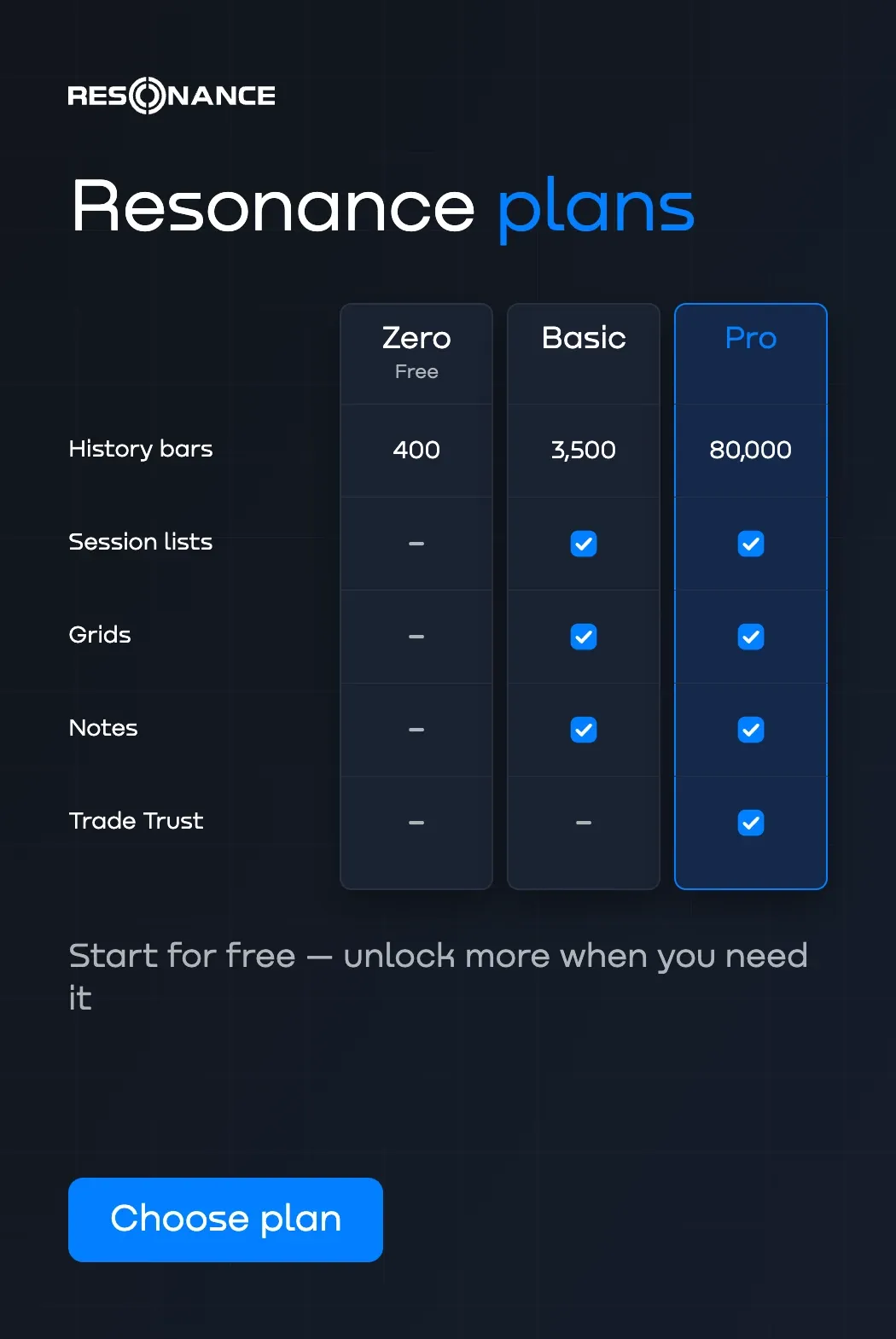
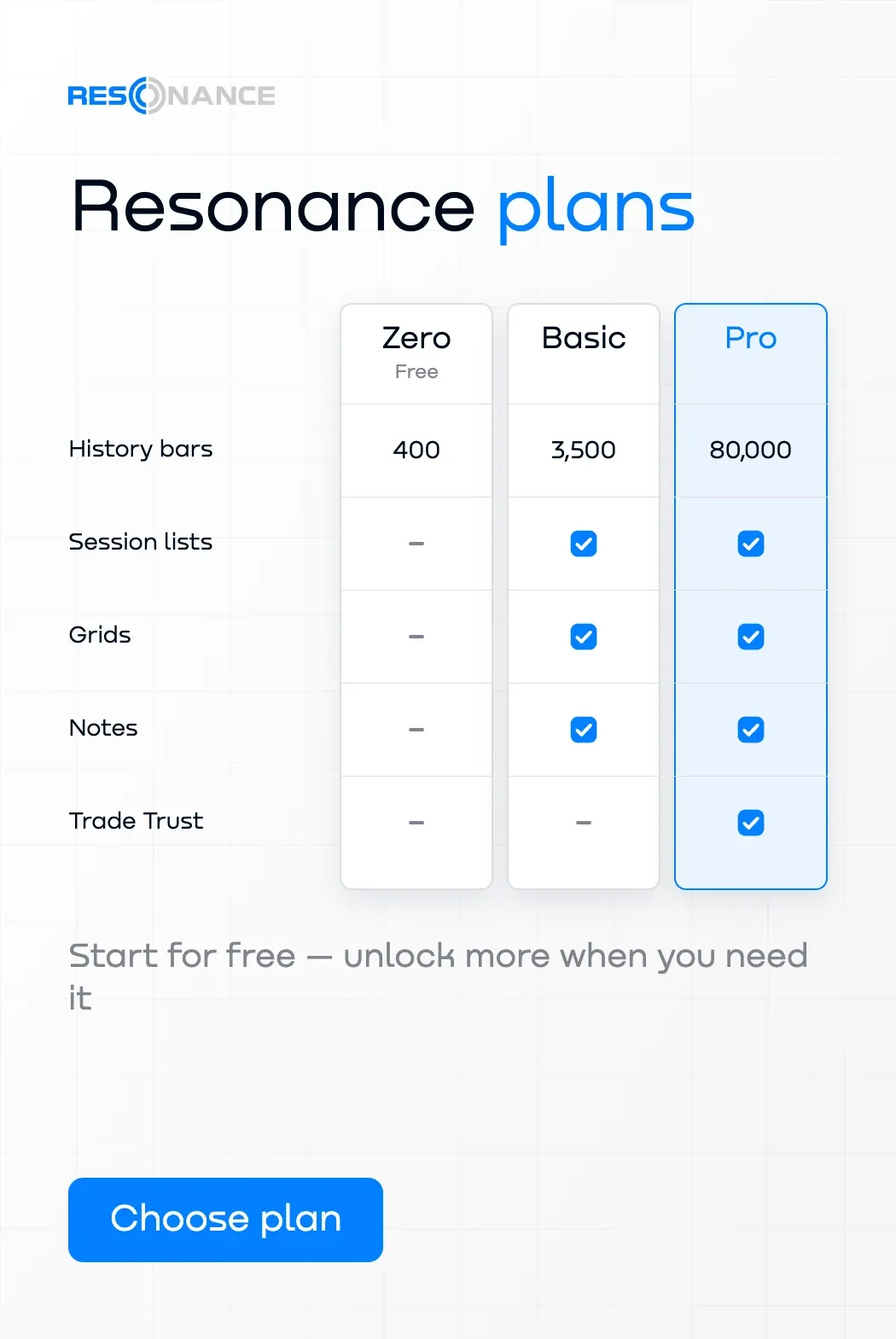
Promo code TOPBLOG gives you 10% off any Resonance plan.
Recommended articles