Major Changes in the Ethereum Network
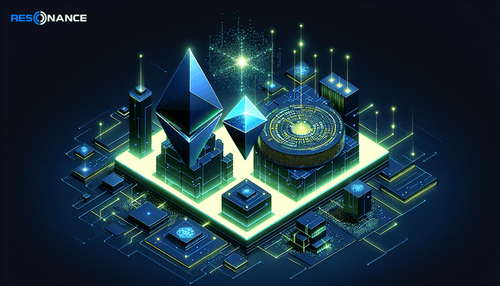
An overview of the upcoming changes in the Ethereum network with the implementation of zkEVM, aiming for increased scalability and efficiency.
Table of contents
Major Changes in the Ethereum Network
Significant changes are expected in the Ethereum network in the coming years, related to the implementation of zkEVM (Zero-Knowledge Ethereum Virtual Machine). This transformation aims to substantially alter the approach to block and transaction verification.
What is zkEVM?
zkEVM is an innovation that reduces the need for each node to re-execute all transactions. Instead, nodes will verify cryptographic proofs of operation correctness. This should significantly reduce the network load and expand its scalability.
How zkEVM Works
The transition to the new mechanism involves creating a proof pipeline. The process includes three key stages: creating ExecutionWitness, using a guest program for verification, and generating a proof of correct execution by the node.
Impact on Validators
With the implementation of zkEVM, a new category of network participants, zkAttesters, will emerge. This will relieve individual stakers and home validators, enabling faster and easier network participation.
Another Monumental Change
The changes embedded in EIP-8025 fully align with Ethereum’s 2026 development roadmap. This is among many efforts to improve network throughput and resource optimization.
Long-term Prospects
The transition to zkEVM holds significant potential. It will reduce the cost of equipment for participants and can significantly speed up their performance.
Conclusion:
Analyzing Ethereum Foundation’s intentions to implement zkEVM, it can be said that this is a significant step towards improving network scalability and efficiency.
- Strengths: Increased scalability, reduced network load.
- Risks: Possible delays in implementation and participant adaptation initially.
- Opportunities: The innovation may attract more investors interested in saving on equipment.
- Threats: Competitors may attempt to implement similar technologies earlier.
Follow new insights in our telegram channel.
No need to invent complex schemes and look for the "grail". Use the Resonance platform tools.
Register via the link — get a bonus and start earning:
OKX | BingX | KuCoin.
Promo code TOPBLOG gives you a 10% discount on any Resonance tariff plan.
Recommended articles