Ethlabs proposes 2027 target for quantum-ready Ethereum
Ethlabs wants Ethereum to reach baseline post-quantum readiness by 2027, ahead of the Ethereum Foundation’s December 2029 target. Its proposal calls for hash-based cryptography and account migration in Hegotá.
Table of contents
Nonprofit research and development group Ethlabs proposed on November 11, 2026, that Ethereum prepare for quantum threats and potential threats from artificial intelligence (AI) by 2027. That is about two years ahead of the Ethereum Foundation’s earlier December 2029 target. Ethereum’s core developers have not adopted the proposal.
What Ethlabs wants in Hegotá
Caspar Schwarz-Schilling drafted pqai27 after discussions with Ethereum core developers at Devcon 8 in Mumbai. Ethlabs wants the Hegotá hard fork (an upgrade that changes the protocol’s rules) to introduce hash-based cryptography and give users clear ways to migrate their accounts to the new security model.
The proposal sets two targets. pqai-ready, the baseline goal for 2027, covers post-quantum consensus, the mechanism validators use to agree on the state of the network, as well as account migration paths. pqai-scaled is a stretch goal: post-quantum functionality operating at full capacity rather than in a minimum viable form.
How the timeline and threat assessment compare
Ethereum researcher Justin Drake had suggested December 2028 as a more ambitious target than the Ethereum Foundation’s earlier deadline of December 2029. Ethlabs is proposing an earlier date than either. The group withdrew its Quick Slots proposal to redirect resources to pqai27.
After the Devcon discussions, cryptographic risk was rated 2 to 3 on a five-level urgency scale. Ethlabs is flagging advances in AI as a concern for cryptography alongside quantum computing. There are no confirmed changes to the Hegotá schedule.
Analysis for traders
- Strengths. The 2027 plan addresses both Ethereum consensus and user accounts, giving ETH holders separate milestones for network readiness and account migration.
- Weaknesses. Core developers have not adopted pqai27, so ETH holders should not treat 2027 as a confirmed transition date.
- Opportunities. If Hegotá includes hash-based cryptography and migration tools, ETH users would have a specific upgrade against which to track preparations for the transition.
- Threats. Reaching baseline readiness in 2027 would not mean Ethereum’s post-quantum protections are running at full capacity. ETH traders should distinguish between those milestones when assessing the network’s readiness.
What to watch next
- Whether Ethereum’s core developers take up pqai27 in upgrade planning.
- Whether Hegotá includes hash-based cryptography and account migration paths.
- Whether the Ethereum Foundation revisits its December 2029 target.
Source: cryptobriefing.com
No need to invent complex schemes or hunt for the “grail”. Use the tools of the Resonance platform.
Sign up on exchanges via our links and get bonuses:
OKX | BingX | KuCoin.
Prop firm — trade with the company’s capital: Kraken.
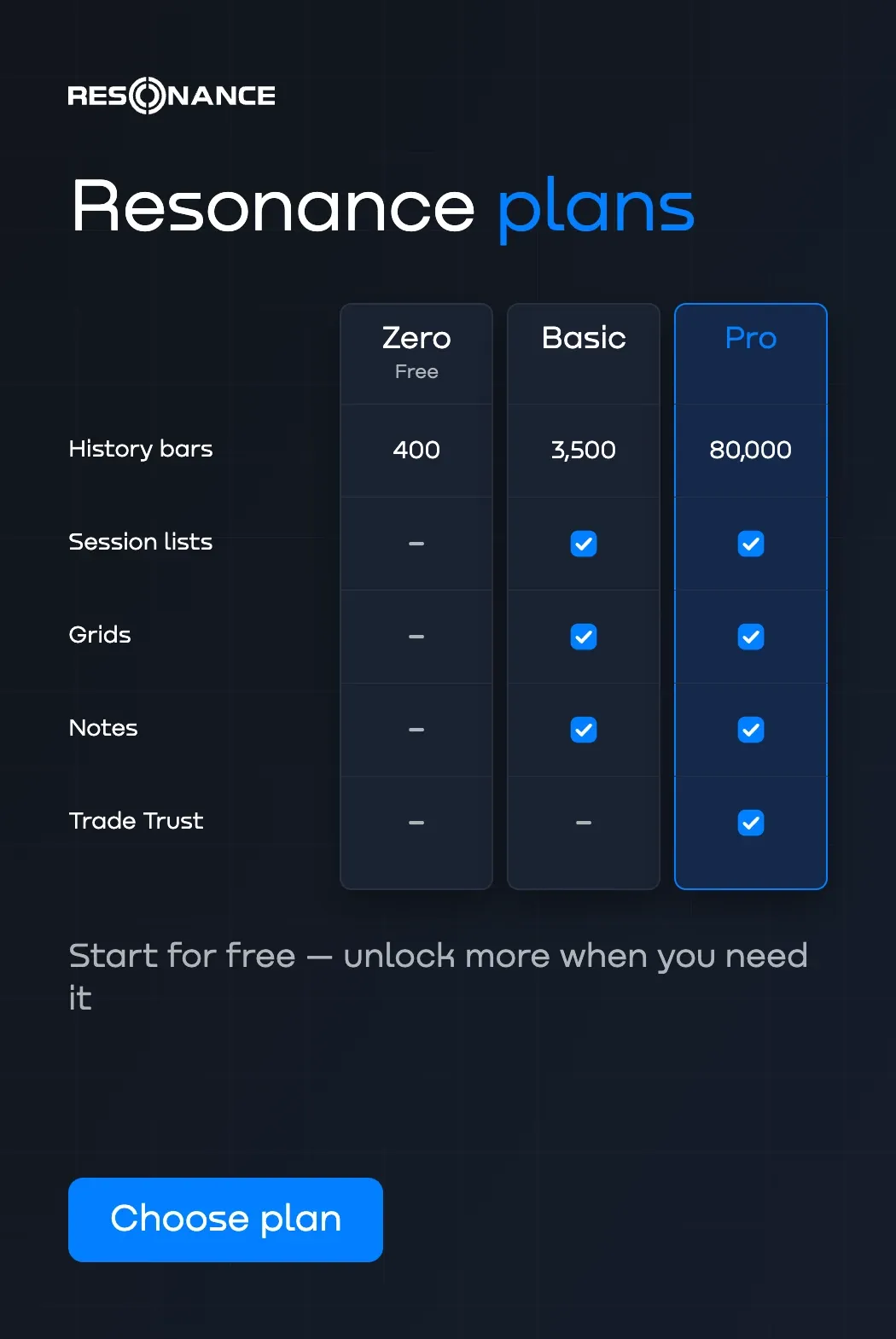
Promo code TOPBLOG gives you 10% off any Resonance plan.
Recommended articles