Квантова загроза для безпеки Біткоїна
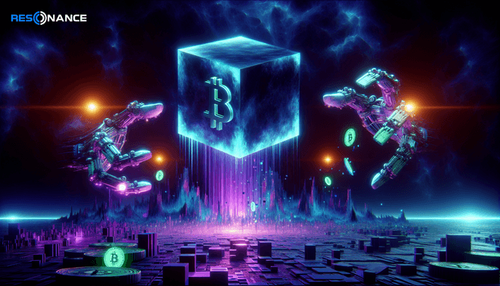
Квантові прориви в науці можуть поставити безпеку мільйонів Біткоїнів під загрозу, якщо не буде впроваджена постквантова криптографія.
Зміст

Квантова загроза для безпеки Біткоїна
Квантові обчислення становлять значну загрозу для сучасних криптографічних систем, що використовуються в блокчейнах, зокрема Біткоїн. Дослідники застерігають, що якщо мережа не перейде на постквантову криптографію, це може призвести до вразливості мільйонів біткоїнів.
Квантові обчислення та їх потенціал
Квантові комп’ютери, на відміну від класичних, використовують кубіти, що дозволяє виконувати обчислювальні операції з паралельною обробкою множини станів. Цей потенціал ставить під загрозу традиційні методи шифрування, які покладаються на складність математичних завдань.
Проблеми сучасної криптографії
Сучасна криптографія, заснована на еліптичних кривих та факторизації великих чисел, захищає більшість криптовалют. Однак квантові алгоритми, такі як алгоритм Шора, здатні вирішувати ці завдання значно швидше, що ставить під загрозу безпеку криптоактивів.
Постквантова криптографія: що це?
Постквантова криптографія — це набір криптографічних методів, стійких до атак з використанням квантових обчислень. Впровадження таких методів може уберегти криптоіндустрію від потенційних загроз.
Порівняння з традиційними методами
Постквантові алгоритми вимагають більшого ресурсу, як обчислювального, так і часовго, у порівнянні з традиційними алгоритмами шифрування. Однак їх стійкість до квантових атак робить їх важливими для майбутнього криптографії.
Висновок
Сильні сторони технології квантових обчислень відкривають нові горизонти, але також створюють ризики для існуючих систем безпеки.
- Необхідність впровадження постквантової криптографії актуальна як ніколи.
- Ризики витоку даних та втрати активів можна буде мінімізувати при своєчасному переході на нові методи шифрування.
- Можливості для інновацій у сфері безпеки та криптографії відкривають нові напрямки для досліджень.
- Загроза квантових атак зростає із розвитком цих технологій, і криптоспільнота повинна бути готова.
Стеж за новими статтями у нашому телеграм каналі.
Не треба вигадувати складних схем та шукати “грааль”. Використовуйте інструменти платформи Resonance.
Реєструйся за посиланням - отримуй бонус і починай заробляти:
OKX | BingX | KuCoin.
Промокод TOPBLOG дає тобі 10% знижки на будь-який тарифний план Resonance.
Рекомендовані статті