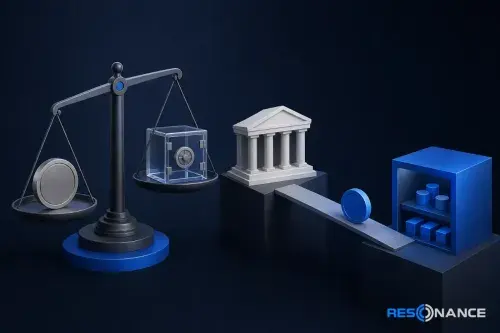
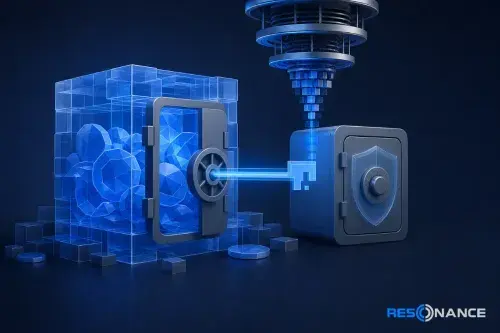
ECB accepts tokenized securities as collateral
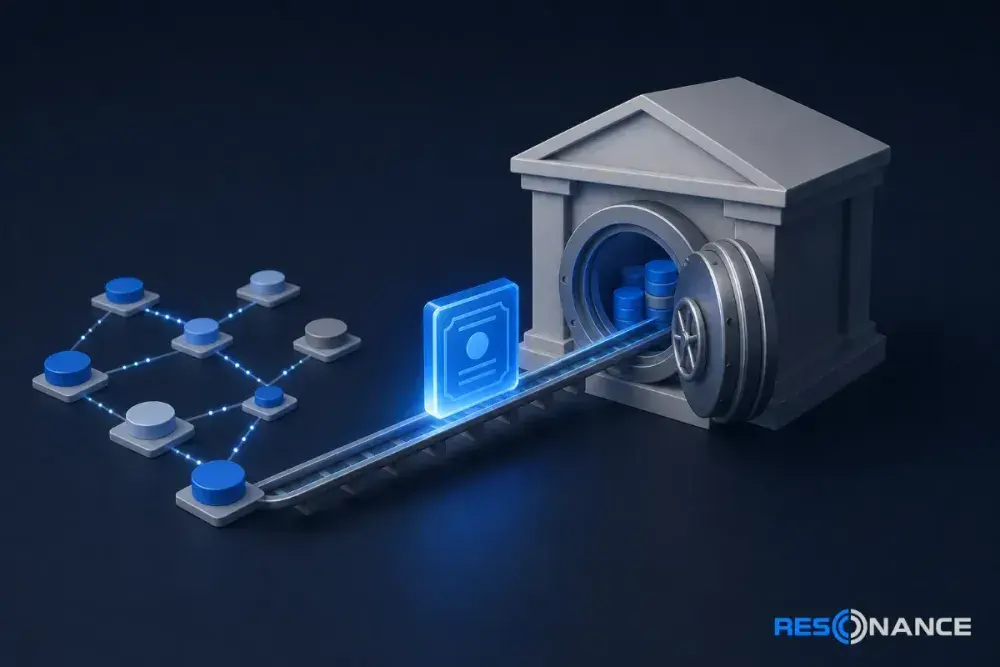
From November 23, 2026, banks can pledge certain tokenized securities for Eurosystem loans. The ECB decision requires access to T2S and does not cover Bitcoin or stablecoins.
Table of contents
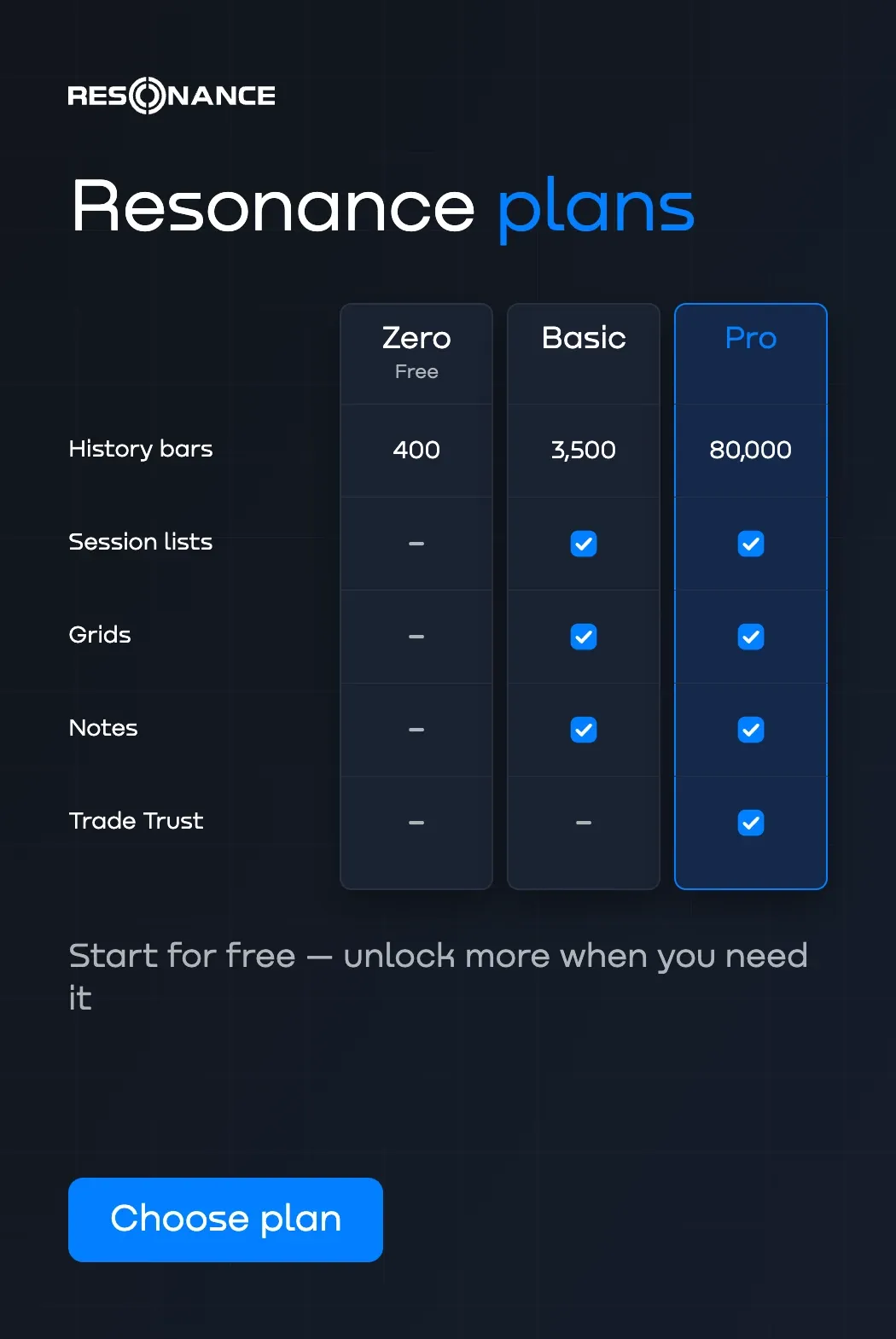
From November 23, 2026, the European Central Bank (ECB) accepts certain tokenized securities as collateral for Eurosystem loans. The Governing Council decision covers securities issued on licensed platforms and available in TARGET2-Securities (T2S), the Eurosystem’s securities settlement system.
Which securities qualify
The change applies to marketable assets issued on platforms licensed under the EU pilot regime for distributed ledger technology (DLT). If the securities are available in T2S and meet existing eligibility criteria, the Eurosystem treats them like conventional securities. Credit quality standards and the requirements of the EU’s Central Securities Depositories Regulation still apply.
In January 2026, the Governing Council approved a framework for assessing DLT-issued securities held in central securities depositories. It took effect on March 30. The November decision extends eligibility to licensed pilot-regime venues, but does not cover Bitcoin, stablecoins or other crypto assets traded on open markets.
Settlement in central bank money
Pontes, which launched in September 2026, lets tokenized securities settle in central bank money. In mid-November, ECB President Christine Lagarde cited a €1 billion transaction settled through Pontes and stressed the need for common regulatory standards. The Appia project aims to make platforms interoperable and establish common protocols.
Analysis for traders
- Strengths. Eligibility for Eurosystem credit operations gives qualifying tokenized bonds another use. That could make them more useful to banks as a funding tool.
- Weaknesses. The T2S requirement keeps tokenized securities tied to conventional settlement infrastructure, which may limit the efficiency gains from using DLT.
- Opportunities. The ECB plans to explore whether securities issued and settled entirely on distributed ledgers could qualify. If those securities can also be pledged directly on-chain, venues could gain an alternative to the current T2S route.
- Threats. If venues retain incompatible protocols, liquidity in tokenized securities could fragment across platforms. Where quotes are available, comparing bid-ask spreads is one way to assess trading conditions.
What to watch next
- Which licensed venues provide T2S access and which of their issues pass the Eurosystem’s eligibility checks.
- Whether the ECB moves toward accepting securities that can be pledged directly on a distributed ledger.
- Whether Appia produces common protocols that let venues work together.
Source: cryptobriefing.com
No need to invent complex schemes or hunt for the “grail”. Use the tools of the Resonance platform.
Sign up on exchanges via our links and get bonuses:
OKX | BingX | KuCoin.
Prop firm — trade with the company’s capital: Kraken.
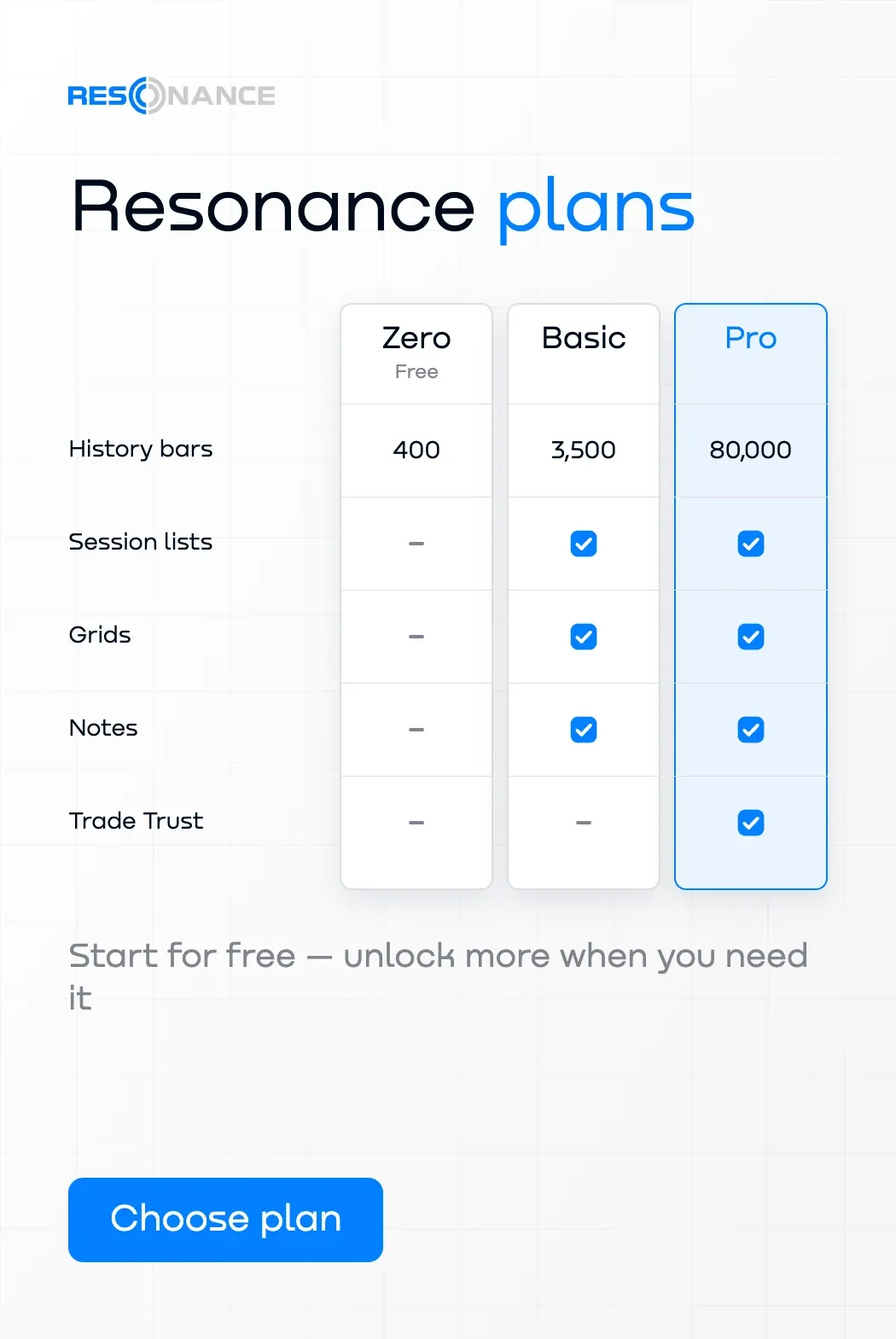
Promo code TOPBLOG gives you 10% off any Resonance plan.
Recommended articles